Codeca One: Elevating Design with Abstract Elegance
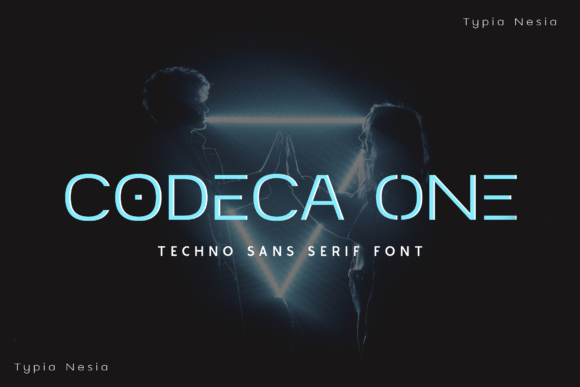
Codeca One is a futuristic display font that redefines typography by embracing abstract shapes in all their eclectic beauty. Designed for those who seek to stand out, this font offers a unique visual language that can transform ordinary text into extraordinary design elements. Whether you're an entrepreneur crafting a brand identity, a marketer designing campaign materials, or a creative professional looking to elevate your work, Codeca One provides a strategic advantage through its distinctive character.
The Strategic Value of Codeca One
Fonts are more than just tools for communication—they are powerful design choices that influence perception, engagement, and recall. Codeca One stands apart due to its bold, geometric forms and dynamic structure. These characteristics make it particularly effective for use cases where impact and memorability are key. When used thoughtfully, Codeca One can support your goals by reinforcing brand personality, enhancing visual hierarchy, and creating a strong first impression.
Consider the scenario of launching a new product or service. The right font choice can help establish a tone that aligns with your brand’s values. Codeca One, with its modern and forward-thinking aesthetic, is ideal for industries that emphasize innovation, technology, and creativity. It communicates confidence and originality, which can be especially valuable when positioning yourself as a leader in a competitive market.
When to Use Codeca One
Codeca One is best suited for display purposes rather than body text. Its intricate details and unconventional forms may not be legible at smaller sizes, so it should be reserved for headlines, logos, call-to-action buttons, and other high-impact elements. Here are some specific situations where Codeca One can add significant value:
- Brand Identity: Use it in logos or taglines to create a memorable visual signature.
- Digital Campaigns: Incorporate it into website headers or social media posts to capture attention quickly.
- Presentation Materials: Highlight key points in slides or infographics to draw focus and emphasize importance.
- Print Media: Apply it to posters, banners, or packaging to create a striking visual presence.
Planning Your Use of Codeca One
Before integrating Codeca One into your design strategy, consider your overall objectives. What message do you want to convey? Who is your audience? How does this font align with your brand's visual language? These questions will guide you in making intentional decisions about its application.
One practical approach is to conduct a style audit of your existing materials. Assess how fonts currently contribute to your messaging and identify areas where a bolder, more distinctive typeface could enhance clarity or emotional resonance. Once you've identified the right context, test Codeca One in different formats and sizes to ensure it performs well across various platforms.
Additionally, think about accessibility. While Codeca One is visually striking, it may not be suitable for all audiences. For example, if your target demographic includes users with visual impairments, ensure that alternative text options or supplementary fonts are available for readability.
Strategic Observations and Tips
Here are a few strategic observations to keep in mind when working with Codeca One:
- Balance is Key: Pair Codeca One with simpler, more readable fonts to maintain visual harmony. This contrast can highlight the uniqueness of the display font without overwhelming the reader.
- Color Matters: Choose colors that complement the font’s geometric structure. High-contrast combinations can enhance visibility, while softer tones may evoke a more artistic feel.
- Contextual Relevance: Ensure that the use of Codeca One aligns with the theme or purpose of the content. A font that feels too experimental for a formal document may not be appropriate, even if it's visually appealing.
Risks of Using Codeca One Without Strategy
While Codeca One has immense potential, it also carries risks if not used with clear intent. Overusing it or applying it inappropriately can lead to confusion, dilution of brand messaging, or even alienation of your audience. For instance, using this font in a corporate report might come off as unprofessional, whereas it would be perfectly suited for a tech startup’s promotional material.
Another risk is misalignment with brand guidelines. If your organization already has established typographic standards, introducing a font like Codeca One without careful consideration could disrupt consistency and confuse stakeholders. Always evaluate whether the font supports your broader branding strategy before implementation.
Moreover, relying solely on aesthetics without considering functionality can lead to poor user experiences. If Codeca One is used in contexts where legibility is critical—such as instructional materials or legal documents—it could hinder comprehension rather than enhance it.
Intentional Use of Codeca One
To avoid these pitfalls, approach the use of Codeca One with intentionality. Begin by defining your goals: Are you trying to innovate, simplify, entertain, or educate? Let these goals shape your font selection and usage. Then, test your designs with real users to gather feedback and refine your approach based on actual performance.
Finally, document your decisions. Keeping a record of why and how you chose to use Codeca One can help maintain consistency across projects and provide valuable insights for future design choices. This practice also supports long-term brand development by ensuring that your visual identity remains cohesive and meaningful over time.