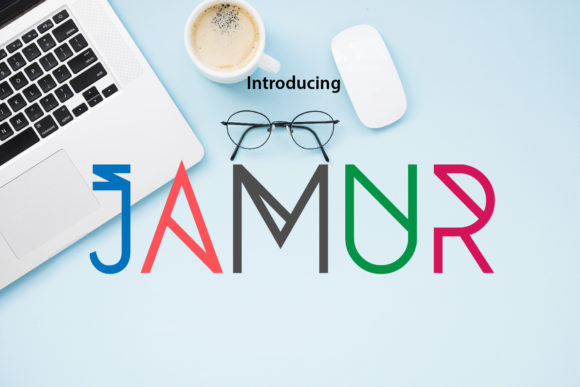
Jamur: A Futuristic Display Font That Adds Playfulness to Your Designs
Looking for a font that combines futuristic flair with playful charm? Jamur might just be the perfect choice. This display font is designed to make your designs stand out, whether you're creating logos, posters, digital content, or social media graphics. Its unique shapes and dynamic curves bring a sense of energy and innovation to any project.
Why Jamur Is Worth Considering for Your Projects
Jamur is more than just a font—it's a creative tool that can transform the way your message is received. With its clean lines and bold forms, it works well for attention-grabbing headlines, branding elements, and eye-catching visuals. Its versatility allows it to fit into both modern and retro-inspired design themes, making it a go-to option for designers across various industries.
Designers often choose Jamur because it offers a fresh alternative to traditional sans-serif or serif fonts. It adds character without being overwhelming, which makes it ideal for both print and digital media. Whether you're designing for a tech startup, an art exhibition, or a marketing campaign, Jamur brings a level of uniqueness that helps your work stand out in a crowded visual landscape.
Common Mistakes When Choosing and Using Jamur
While Jamur is a powerful font, using it incorrectly can lead to poor design outcomes. Here are some common mistakes people make when selecting and applying this font:
- Overusing Jamur: Applying Jamur to every element of a design can make it feel cluttered and unprofessional. Use it sparingly for key text elements like headlines or call-to-action buttons.
- Ignoring Legibility: Although Jamur is visually striking, it may not be suitable for long paragraphs or small text sizes. Always test how it looks at different scales before finalizing your design.
- Mismatching with Other Fonts: Pairing Jamur with other fonts that clash in style can ruin the overall aesthetic. Choose complementary fonts that share similar characteristics in weight or structure.
- Not Checking Licensing: Before downloading or purchasing Jamur, ensure you understand the licensing terms. Some fonts require specific permissions for commercial use, and ignoring these can lead to legal issues.
How These Mistakes Impact Your Design
Using Jamur incorrectly can affect the readability, professionalism, and overall effectiveness of your design. For instance, if you use it on a website’s body text, visitors may find it hard to read, leading to higher bounce rates. Similarly, overusing it in a logo can make the brand appear less credible.
Another issue arises when you don't check the font's licensing. If you're using Jamur for a commercial project without proper rights, you risk facing copyright infringement claims, which can be costly and damaging to your reputation.
Practical Tips for Using Jamur Effectively
To get the most out of Jamur, follow these practical tips:
- Use It for Headlines Only: Reserve Jamur for short, impactful phrases rather than lengthy blocks of text. This ensures it remains legible and effective.
- Pair It with Complementary Fonts: Combine Jamur with a more traditional font for body text. This creates balance while keeping the design visually interesting.
- Test Different Sizes and Weights: Experiment with varying sizes and weights to see how Jamur performs in different contexts. This will help you determine the best ways to use it in your projects.
- Check Licensing Terms: Always review the font's license agreement before using it in a professional setting. Make sure you have the right to use it for your intended purpose.
Real-World Examples of Jamur in Action
Imagine designing a promotional poster for a new tech product. Instead of using a generic sans-serif font, you decide to use Jamur for the headline. The result is a bold, futuristic look that aligns perfectly with the product's theme. By pairing it with a clean, readable font for the supporting text, you create a visually balanced and engaging design.
In another example, a blogger uses Jamur for their blog's title. This draws attention to the post and makes it stand out among other articles. However, they avoid using it for the main body of the text, ensuring the reader has no trouble reading through the content.
What to Check Before Using Jamur
Before incorporating Jamur into your design workflow, there are a few things you should verify:
- Font Compatibility: Ensure Jamur works with your design software or platform. Some fonts may not render correctly on certain applications.
- File Formats: Download the font in the appropriate format (e.g., TTF, OTF) for your system and software.
- User Reviews: Read reviews from other designers who have used Jamur. Their feedback can provide insights into its performance and suitability for different projects.
- Support and Updates: Check if the font developer provides ongoing support or updates. This can be important if you encounter any technical issues or need additional features.
By taking the time to research and evaluate Jamur before using it, you can avoid common pitfalls and ensure that it enhances rather than detracts from your design.