Lost Kingdom: A Spooky Font for Halloween and Beyond
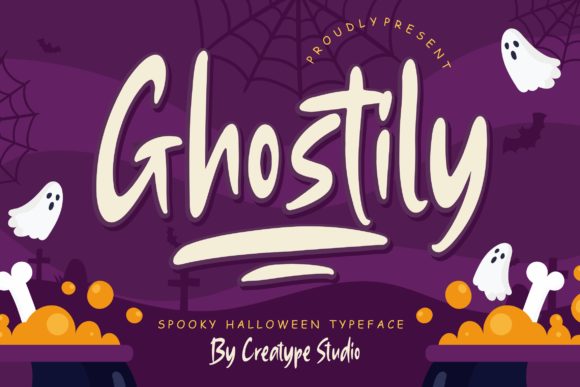
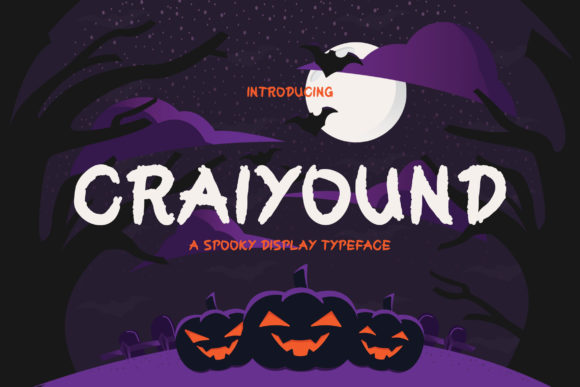
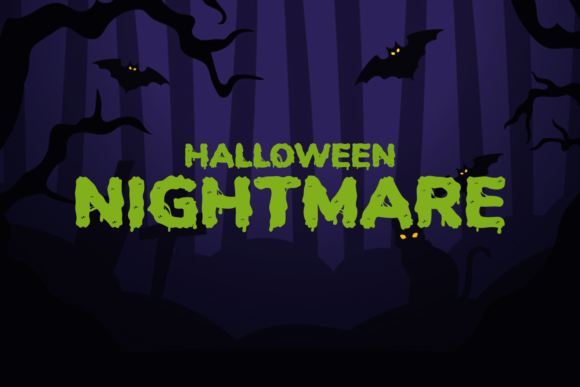
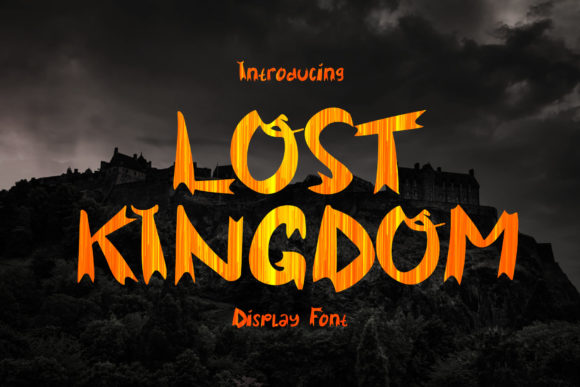
Lost Kingdom is a display font that captures the eerie and mysterious essence of Halloween, making it a popular choice for themed projects. With its bold, angular strokes and slightly uneven character shapes, Lost Kingdom evokes the feel of ancient ruins or forgotten legends. This font is not just about aesthetics; it’s also about usability in specific contexts where a spooky or dramatic visual tone is desired.
What Makes Lost Kingdom Unique?
Lost Kingdom stands out due to its distinct typographic style. Unlike more traditional serif or sans-serif fonts, it incorporates irregularities that mimic hand-drawn or aged text. These features give it a sense of history and mystery, which can be especially effective in Halloween-related content such as invitations, posters, and digital graphics.
The font includes a range of characters, including uppercase and lowercase letters, numbers, and punctuation marks. It is designed with a high level of legibility despite its unconventional structure, ensuring that it remains readable even when used in larger sizes or at a distance.
One of the key aspects of Lost Kingdom is its versatility. While it is particularly well-suited for Halloween themes, it can also be used in other creative contexts such as horror-themed websites, fantasy book covers, or event branding that leans into the supernatural or adventurous.
Comparing Lost Kingdom with Similar Fonts
When considering fonts for a spooky or dramatic effect, several alternatives come to mind. Fonts like Blackletter, Phantasmagoria, or Evil Empire are often used for similar purposes. However, each has its own unique characteristics and tradeoffs.
Blackletter fonts, for example, have a more formal and historical appearance, often associated with medieval manuscripts. While they share the ornate look with Lost Kingdom, they may be less suitable for modern or casual designs due to their complexity and readability challenges.
Phantasmagoria offers a similar spooky vibe but with a more exaggerated and decorative style. It is ideal for highly stylized projects but may lack the subtlety and balance that Lost Kingdom provides. This makes it less versatile for broader applications.
Evil Empire is another alternative known for its dark and menacing aesthetic. It is often used in horror-themed content and has a more aggressive look compared to Lost Kingdom. While this can be an advantage in certain contexts, it may not be as appealing for those looking for a more subtle or whimsical spooky feel.
Strengths and Tradeoffs of Lost Kingdom
Lost Kingdom excels in creating a strong visual impact without overwhelming the viewer. Its design strikes a balance between uniqueness and readability, making it a practical choice for various types of content. The font's irregular character shapes add visual interest, while its clean lines ensure that it does not become too cluttered or difficult to read.
However, there are some limitations to consider. Due to its distinctive style, Lost Kingdom may not be the best choice for projects that require a more professional or minimalist appearance. For instance, it might not be suitable for corporate branding, technical documentation, or everyday communication where clarity and simplicity are paramount.
Additionally, while Lost Kingdom is available in multiple weights and styles, the selection may be more limited compared to mainstream fonts. This could restrict its use in more complex typographic compositions that require a wide range of variations.
When to Choose Lost Kingdom
Lost Kingdom is most appropriate for projects that benefit from a thematic or stylistic approach. It works particularly well in the following scenarios:
- Halloween events and promotions: Whether you're designing flyers, banners, or social media posts, Lost Kingdom adds a festive and spooky touch.
- Fantasy and horror-themed content: From book covers to movie posters, the font can enhance the mood and atmosphere of your visuals.
- Creative branding and logos: If you're building a brand around adventure, mystery, or the supernatural, Lost Kingdom can help establish a unique identity.
- Digital art and illustrations: Artists and designers working on themed projects can use Lost Kingdom to complement their work with a cohesive visual style.
On the other hand, if your project requires a more neutral or modern font, you may want to explore alternatives that offer greater flexibility and broader applicability.
Real-World Examples and Practical Applications
Consider a Halloween party invitation. Using Lost Kingdom can immediately set the tone, making the invitation feel more immersive and engaging. Similarly, a website promoting a haunted house attraction could benefit from using this font in headlines and call-to-action buttons to create a stronger emotional connection with visitors.
In contrast, for a business card or resume, Lost Kingdom would likely be unsuitable. In these cases, a clean and professional font would be more appropriate to convey reliability and competence.
Another example is a children's book about mythical creatures. Here, Lost Kingdom can help bring the story to life by reinforcing the magical and mysterious elements of the narrative through typography.
Conclusion
Lost Kingdom is a compelling font that brings a unique and spooky character to any project. Its design is both visually striking and functionally sound, making it a solid choice for Halloween and other themed applications. While it may not be the best fit for every situation, it offers a valuable option for those looking to enhance their designs with a touch of mystery and adventure.
By understanding its strengths and limitations, you can make an informed decision about whether Lost Kingdom is the right font for your needs. Whether you're creating a Halloween poster, a fantasy-themed logo, or a spooky website, this font can help you achieve a more engaging and memorable visual experience.