Recipe: A Bold and Thick Lettered Display Font for Strategic Design
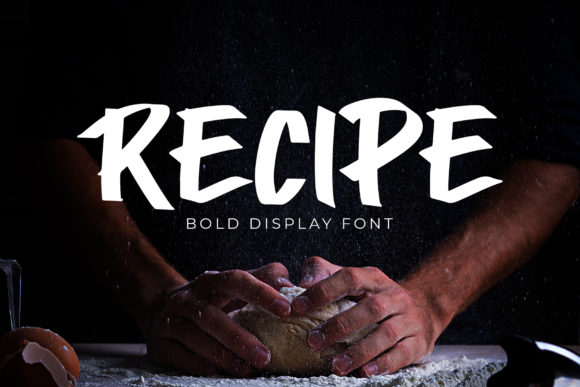
Recipe is more than just a font—it’s a strategic tool that can elevate your visual communication across a wide range of creative and professional contexts. With its bold, thick lettering and natural, simple style, Recipe offers a versatile foundation for designs that need to stand out without sacrificing clarity or elegance. Whether you're crafting brand identities, developing marketing materials, or designing user interfaces, the thoughtful use of Recipe can significantly enhance the impact of your message.
Understanding the Strategic Value of Recipe
The Recipe font is designed with simplicity and strength in mind. Its thick strokes and clean lines give it a sense of authority and confidence, making it ideal for headings, titles, and other prominent text elements. This makes it particularly useful in scenarios where you want to convey professionalism, trustworthiness, or a strong brand presence.
From an SEO and content strategy perspective, using Recipe can help reinforce brand consistency across digital platforms. When used consistently in headers, logos, or call-to-action buttons, it creates a visual anchor that supports recognition and recall—both of which are critical in building a strong online presence.
When to Use Recipe Effectively
Recipe shines in situations where boldness and clarity are essential. Consider using it for:
- Headlines and Subheadings: The weight of Recipe ensures that your key messages are immediately visible and impactful.
- Brand Logos and Taglines: Its clean design allows for easy scalability, making it suitable for both print and digital branding efforts.
- Call-to-Action Buttons: The font's boldness can draw attention to important actions, improving user engagement on websites and apps.
- Infographics and Data Visualizations: When paired with minimalist layouts, Recipe helps maintain a balance between readability and visual interest.
Planning Your Use of Recipe
Before incorporating Recipe into your design projects, consider the following factors to ensure it aligns with your overall goals:
- Context and Audience: Assess whether the font's boldness matches the tone and expectations of your target audience. For example, a high-end fashion brand might benefit from Recipe's confident look, while a more casual blog may require a lighter typeface.
- Color and Contrast: Pair Recipe with colors that complement its thickness and simplicity. High contrast combinations (like black on white) will maximize readability, while softer tones can create a more modern feel.
- Typography Hierarchy: Use Recipe strategically within your typography hierarchy. It works best as a headline font rather than body text due to its weight and size.
- Consistency Across Platforms: Ensure that Recipe is used consistently across all your digital and print assets to build brand recognition and trust.
Strategic Examples of Recipe in Action
Let’s explore a few practical examples of how Recipe can be applied in real-world scenarios:
Example 1: Website Redesign
A tech startup looking to rebrand its website could use Recipe for its main navigation bar and hero section headlines. The font's boldness would convey innovation and reliability, while its clean lines support a modern aesthetic. By pairing it with a complementary sans-serif font for body text, the site maintains a balanced and professional appearance.
Example 2: Marketing Materials
A local bakery launching a new product line could use Recipe on promotional flyers and social media posts. The font's friendly yet confident look would appeal to customers while reinforcing the brand’s commitment to quality and tradition.
Example 3: Presentation Slides
Professionals preparing presentation slides for clients or investors can leverage Recipe for slide titles and key points. Its bold nature draws attention to critical information, helping to keep the audience focused on the most important takeaways.
Considerations Before Relying on Recipe
While Recipe is a powerful font, it's not always the best choice for every project. Here are some considerations to keep in mind before relying heavily on it:
- Readability at Smaller Sizes: Due to its thickness, Recipe may become less readable when used at smaller sizes. Always test it across different devices and screen resolutions.
- Overuse Can Lead to Visual Fatigue: Using Recipe excessively can make your designs feel overwhelming or unbalanced. Reserve it for key elements like headlines and avoid using it throughout entire layouts.
- Cultural and Industry Relevance: Some industries or cultures may have different associations with bold fonts. Research your audience to ensure that Recipe aligns with their expectations and preferences.
Risks of Using Recipe Without Clear Goals
Using Recipe without a clear strategy can lead to inconsistent messaging and reduced effectiveness. For instance, if a brand uses Recipe in a way that doesn't align with its core values or visual identity, it can confuse audiences and dilute brand recognition. Similarly, applying it inappropriately—such as using it for long paragraphs or complex data tables—can compromise readability and user experience.
To avoid these risks, always align your use of Recipe with broader design and branding goals. Ask yourself: Does this font support my message? Is it appropriate for my audience? Will it contribute to a cohesive visual identity?
Intentional Use of Recipe for Long-Term Results
The key to leveraging Recipe effectively lies in intentionality. Rather than using it randomly, approach its application with a clear plan that considers your objectives, audience, and context. This includes:
- Setting Clear Typography Guidelines: Define how and where Recipe will be used across all your platforms to maintain consistency.
- Testing and Refining: Experiment with different color schemes, spacing, and layout options to find the optimal combination for your needs.
- Monitoring Feedback: Gather insights from users or stakeholders to understand how Recipe is perceived and adjust accordingly.
By adopting a thoughtful and strategic approach, you can ensure that Recipe becomes a valuable asset in your design toolkit—one that enhances your message, strengthens your brand, and delivers better results over time.
In conclusion, Recipe is a bold and thick lettered display font that offers a unique blend of simplicity and strength. When used intentionally and strategically, it can significantly enhance your visual communication and support your broader business and creative goals. Whether you're designing for a global audience or a niche market, the thoughtful application of Recipe can help you achieve greater impact and long-term success.