Tustel: A Versatile Display Font for Creative and Professional Workflows
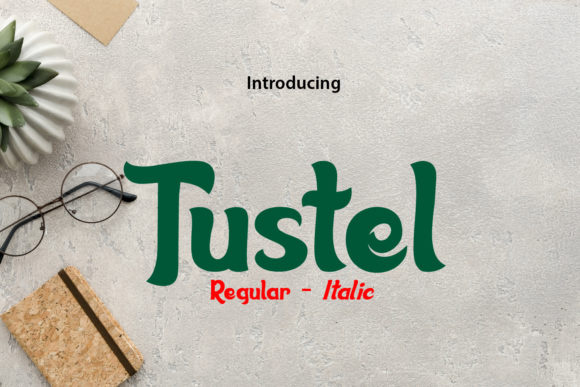
Tustel is a display font that stands out with its clean, elegant design and friendly personality. It’s the kind of font that feels both professional and approachable, making it an excellent choice for a wide range of creative and business applications. Whether you're designing a logo, crafting marketing materials, or simply looking to add a touch of personality to your digital content, Tustel can help your work stand out in a crowded visual landscape.
Understanding Tustel and Its Place in Design
Tustel belongs to the category of display fonts—fonts designed for attention-grabbing use rather than long-form reading. This means it's best suited for headlines, titles, logos, and other short-form text elements where impact matters more than legibility over long stretches. Its neat and beautiful structure ensures that even at smaller sizes, it maintains clarity and readability.
The font's friendly feel makes it incredibly versatile. Unlike some display fonts that lean heavily into one style (such as overly ornate or rigid designs), Tustel strikes a balance between modern minimalism and warm expressiveness. This duality allows it to fit seamlessly into various contexts, from corporate branding to personal blogs and creative projects.
When to Use Tustel in Your Workflow
Tustel can be incorporated at different stages of your creative or professional process. Here are a few scenarios where it might be particularly effective:
- Before a project: When brainstorming or planning a new project, using Tustel in mood boards, wireframes, or initial sketches can set a tone that feels both polished and inviting.
- During execution: As you move through the development phase of a project, Tustel can be used for headings, subheadings, and call-to-action buttons in web or app interfaces. Its clean lines make it ideal for user-focused design elements.
- After completion: Once your project is finished, Tustel can enhance final deliverables like presentations, reports, or promotional assets by adding a layer of visual appeal without overshadowing the content itself.
Integrating Tustel into Your Tools and Platforms
One of the advantages of Tustel is its compatibility with a wide range of design and publishing tools. Whether you're working in Adobe Creative Suite, Canva, Figma, or even basic word processors like Microsoft Word or Google Docs, Tustel can be easily installed and used.
If you're working on a website or mobile application, consider embedding Tustel via Google Fonts or similar services. This not only ensures consistency across platforms but also helps streamline your workflow by eliminating the need for manual font installation on multiple devices.
Workflow Examples with Tustel
Here are a few practical examples of how Tustel can be integrated into different workflows:
- Branding and Marketing: Use Tustel for logo creation, taglines, and promotional banners. Its friendly yet professional appearance aligns well with brand messaging that aims to be both trustworthy and relatable.
- Content Creation: Bloggers and content creators can use Tustel for article headers, section titles, and social media captions. It adds visual interest without overwhelming the reader.
- Business Presentations: Incorporate Tustel into slide decks to highlight key points, company names, or product features. Its readability ensures that important information remains clear and impactful.
- Print Materials: From business cards to brochures, Tustel's clean structure works well in print. It ensures that your printed materials maintain a high standard of quality and professionalism.
Practical Tips for Using Tustel Effectively
To get the most out of Tustel, consider these tips for optimal usage:
- Pair with complementary fonts: While Tustel is great on its own, pairing it with a sans-serif or serif font for body text can create a balanced and visually appealing layout.
- Use sparingly: Because Tustel is a display font, it should be used for emphasis rather than large blocks of text. Overusing it can lead to visual clutter and reduce readability.
- Test across devices: Ensure that Tustel renders consistently across different screens and resolutions. This is especially important for digital projects that will be viewed on mobile devices.
- Consider color and contrast: Tustel works well with a variety of colors, but maintaining good contrast between the font and background is essential for readability.
Long-Term Use and Consistency
For businesses and individuals who plan to use Tustel over an extended period, establishing consistent usage guidelines is crucial. This includes defining when and where Tustel should be used, which other fonts it should pair with, and how it fits into your overall brand identity.
Creating a style guide that outlines these rules can help ensure that Tustel is used consistently across all platforms and materials. This not only enhances brand recognition but also reinforces a sense of professionalism and attention to detail.
Conclusion
Tustel is more than just a font—it's a tool that can elevate your creative and professional outputs. By understanding its strengths and integrating it thoughtfully into your workflow, you can create designs that are both functional and visually compelling. Whether you're a designer, marketer, educator, or entrepreneur, Tustel offers a unique opportunity to enhance your communication and leave a lasting impression on your audience.