Yopi: A Vibrant Display Font for Kid-Themed and School Designs
Yopi is a display font that stands out with its playful and whimsical style, making it an excellent choice for projects aimed at children or educational environments. Its unique design elements bring a sense of magic and energy to any visual composition, which can be particularly appealing when creating content for young audiences or school-related materials.
What Is Yopi?
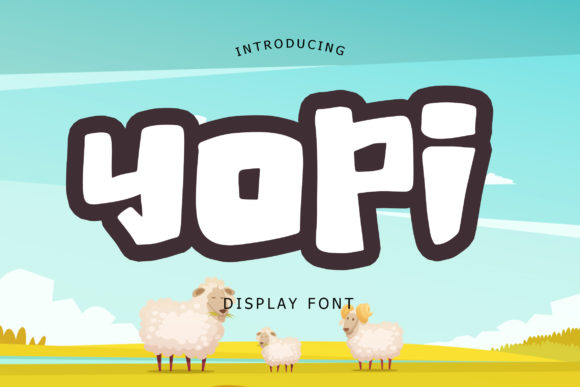
Yopi is a typeface designed to capture attention with its bold, exaggerated shapes and dynamic letterforms. It features rounded edges, stylized ascenders and descenders, and a consistent rhythm that gives it a friendly and approachable feel. This font is not intended for long-form text due to its decorative nature but shines in headlines, logos, and other short, impactful text elements.
Its name, "Yopi," suggests a sense of fun and creativity, aligning well with themes that appeal to children or evoke a sense of nostalgia. The font's structure allows for flexibility in various applications, including digital media, print, and signage.
Why Consider Yopi for Your Projects?
If you're working on a project that targets children or has a school theme, Yopi offers several compelling advantages. Its lively appearance can help grab attention and create a memorable impression. This makes it ideal for use in classroom decorations, educational posters, children's books, and branding for kid-friendly products or services.
Additionally, Yopi's versatility allows it to be used across multiple platforms, from websites to social media posts. Its clean yet expressive design ensures that it remains legible even when scaled up or down, making it suitable for both small and large formats.
Benefits of Using Yopi
- Playful and Engaging: Yopi's design naturally appeals to younger audiences, helping to create a more engaging and inviting atmosphere in educational or child-oriented contexts.
- Versatile Application: While primarily a display font, Yopi can be adapted for use in various media, including print, digital, and interactive platforms.
- Attention-Grabbing: The font's unique characteristics make it stand out, ensuring that key messages or titles are noticed immediately.
- Consistent Style: Yopi maintains a cohesive look throughout its character set, which helps in maintaining a unified visual identity in design projects.
Considerations and Tradeoffs
While Yopi offers many benefits, it is important to consider its limitations. As a display font, it is not optimized for body text or extended reading. Using it for long paragraphs may reduce readability and strain the reader's eye.
Another consideration is its suitability for professional or formal contexts. Yopi's playful nature may not align with the tone of more serious or corporate designs. In such cases, alternatives with a more traditional or minimalist aesthetic might be preferable.
Additionally, designers should be mindful of how Yopi interacts with other design elements. Pairing it with complementary fonts or colors can enhance its impact, while clashing styles may diminish its effectiveness.
Situations Where Yopi Is a Strong Fit
Yopi excels in scenarios where a creative and energetic visual style is desired. Some common situations include:
- Kid-themed events: From birthday invitations to party flyers, Yopi adds a touch of fun and excitement.
- School-related materials: Use it in classroom banners, educational posters, or school newsletters to create a welcoming environment.
- Children's book illustrations: Its whimsical style complements stories aimed at young readers, enhancing the overall experience.
- Branding for kid-friendly brands: Whether it's a toy store, children's clothing line, or educational app, Yopi can reinforce the brand's playful identity.
When Alternatives May Be Worth Considering
In certain situations, it may be more practical to choose a different font. For example, if the primary goal is to ensure maximum readability for long texts, a sans-serif or serif font would be more appropriate. These fonts are typically easier on the eyes during extended reading sessions.
For more formal or professional contexts, such as business reports or legal documents, a more subdued and structured font would be better suited. In these cases, the playful nature of Yopi could detract from the intended message or tone.
Designers should also consider the audience they are targeting. If the project is intended for adults or professionals, Yopi may not be the best choice unless the context specifically calls for a more lighthearted approach.
Practical Insights for Choosing Yopi
Before deciding to use Yopi, it's essential to evaluate the goals of your project. Ask yourself whether the font's playful style aligns with the message you want to convey. If the answer is yes, then Yopi can be a powerful tool in achieving your design objectives.
Consider testing Yopi in different sizes and color combinations to see how it performs in various contexts. Pay attention to how it interacts with background colors and other design elements to ensure that it enhances rather than overwhelms the overall composition.
Finally, always keep in mind that Yopi is best used sparingly. Overusing it can lead to visual clutter and reduce its effectiveness. Reserve it for headings, titles, and other short bursts of text where its impact can be most appreciated.